
Industrial roofing contractors in the USA play a crucial role in the construction industry, providing specialized services that are essential for the integrity of commercial buildings. From the evolution of roofing practices to the latest techniques and materials used, this topic delves into the intricate world of industrial roofing contractors with a focus on the USA.
Overview of Industrial Roofing Contractors in the USA
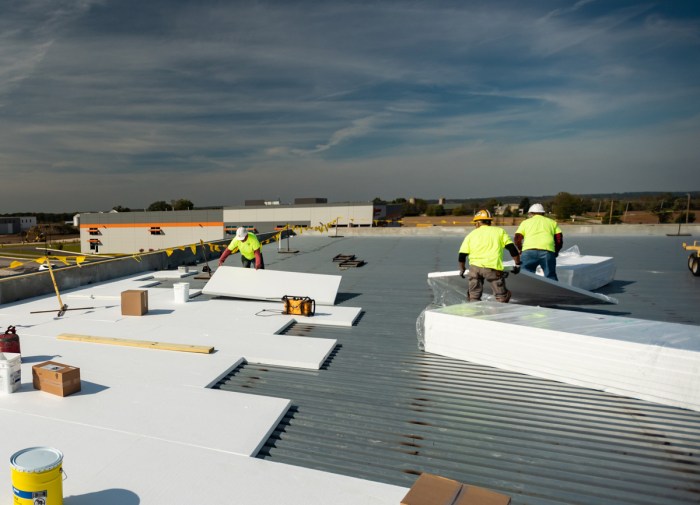
Industrial roofing contractors in the USA have a long history dating back to the early days of industrialization. As buildings became larger and more complex, specialized contractors emerged to handle the unique challenges of industrial roofing.Industrial roofing contractors play a crucial role in the construction industry by providing expertise in installing, repairing, and maintaining roofs for industrial buildings such as factories, warehouses, and manufacturing plants.
These contractors are equipped with the knowledge and skills to work with various roofing materials and systems to ensure the structural integrity and longevity of industrial roofs.
Types of Services Offered by Industrial Roofing Contractors
Industrial roofing contractors offer a wide range of services to meet the diverse needs of industrial clients. Some of the key services typically provided include:
- Roof Installation: Industrial roofing contractors specialize in installing new roofs on industrial buildings, ensuring that the roof is properly designed and constructed to meet the specific requirements of the facility.
- Roof Repair and Maintenance: These contractors also offer repair and maintenance services to address issues such as leaks, damage, and wear and tear. Regular maintenance helps prolong the lifespan of the roof and prevent costly repairs in the future.
- Roof Inspections: Industrial roofing contractors conduct thorough inspections to assess the condition of the roof and identify any potential issues. This proactive approach allows for early detection and timely repairs, saving clients money in the long run.
- Roof Replacement: When a roof reaches the end of its lifespan or sustains extensive damage, industrial roofing contractors can recommend and execute a roof replacement to ensure the safety and integrity of the building.
- Emergency Roofing Services: In cases of sudden damage or emergencies such as storms or accidents, industrial roofing contractors are available to provide immediate assistance and temporary repairs to prevent further damage.
Qualifications and Certifications
Industrial roofing contractors in the USA are required to have specific qualifications and certifications to ensure they meet industry standards and regulations. These qualifications not only validate the expertise of the contractors but also ensure the quality of work they provide to their clients.
Necessary Qualifications and Certifications
Industrial roofing contractors in the USA are typically required to hold certifications such as the Certified Roofing Contractor (CRC) or the Roofing Contractor License. These certifications demonstrate that the contractor has undergone training, passed exams, and met specific requirements to perform roofing work in a professional manner.
Impact of Certifications on Credibility and Quality of Work
Certifications play a crucial role in establishing the credibility of industrial roofing contractors. They assure clients that the contractor has the necessary skills and knowledge to handle roofing projects efficiently and effectively. Additionally, certified contractors are more likely to deliver high-quality workmanship, adhere to safety standards, and provide excellent customer service.
Comparison of Certification Programs
There are various certification programs available for industrial roofing contractors in the USA, each with its own set of requirements and benefits. Some of the well-known certification programs include the National Roofing Contractors Association (NRCA) certification, the Occupational Safety and Health Administration (OSHA) certification, and the Roofing Industry Alliance for Progress certification.
Each certification program focuses on different aspects of roofing work, such as safety protocols, industry best practices, and technical expertise.
Materials and Techniques
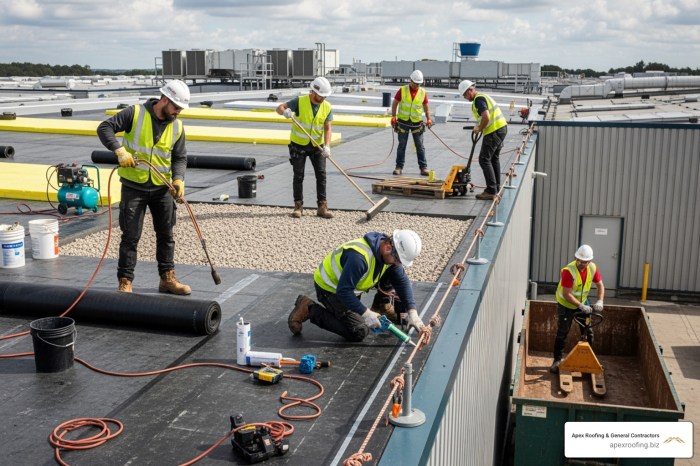
Industrial roofing projects in the USA utilize a variety of materials and techniques to ensure durability, efficiency, and safety for large-scale buildings. Let's explore the different components that contractors commonly work with.
Roofing Materials
- Single-Ply Membrane: This material is lightweight, flexible, and easy to install, making it a popular choice for industrial roofs. It offers good UV resistance and can be either TPO (thermoplastic polyolefin), PVC (polyvinyl chloride), or EPDM (ethylene propylene diene terpolymer).
- Metal Roofing: Metal roofs are known for their longevity and durability, making them suitable for industrial structures. They can be made of steel, aluminum, or copper, offering excellent resistance to fire, wind, and pests.
- Built-Up Roofing (BUR): BUR systems consist of multiple layers of bitumen and reinforcing fabrics, providing a thick and durable roofing solution for industrial buildings. These roofs are resistant to heavy foot traffic and offer good waterproofing properties.
Roofing Techniques
- Installation: Industrial roofing contractors use various techniques such as fully adhered, mechanically attached, or ballasted installation methods based on the type of roofing material and the building's requirements.
- Repair: When it comes to repairing industrial roofs, contractors may employ techniques like patching, sealing, or coating to address leaks, punctures, or damaged areas effectively.
- Maintenance: Regular maintenance is essential to prolong the lifespan of industrial roofs. Contractors may conduct inspections, clean gutters, repair flashing, and reseal seams to ensure the roof's integrity.
Safety Regulations and Practices
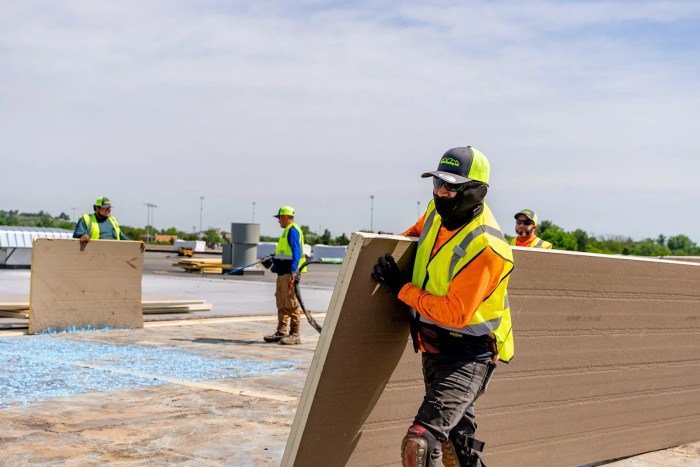
Industrial roofing contractors in the USA must adhere to stringent safety regulations and standards to ensure the well-being of their workers and the successful completion of projects. Implementing safety practices is crucial in preventing accidents and maintaining a secure work environment.
Safety Regulations and Standards
- OSHA Regulations: The Occupational Safety and Health Administration (OSHA) sets forth regulations that industrial roofing contractors must follow to protect workers from hazards such as falls, electrical dangers, and exposure to harmful substances.
- Building Codes: Contractors must comply with local building codes that dictate safety requirements for roofing installations, including proper anchoring systems, fall protection measures, and fire safety protocols.
Safety Practices
- Regular Safety Inspections: Contractors conduct routine inspections of equipment, tools, and work areas to identify and address potential safety hazards.
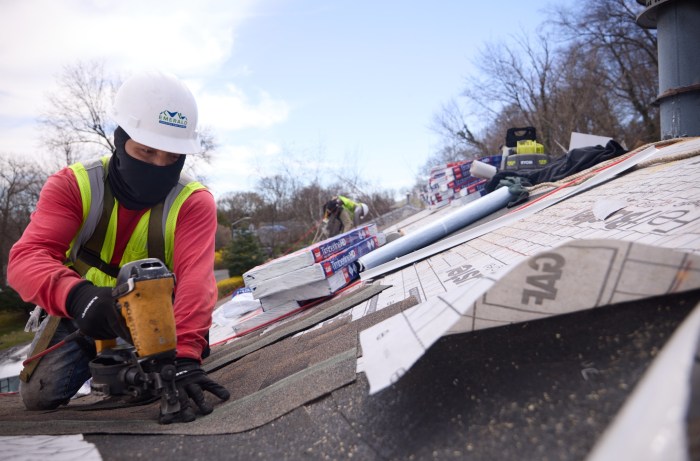
- Personal Protective Equipment (PPE): Workers are required to wear appropriate PPE, such as hard hats, safety harnesses, and gloves, to minimize the risk of injury on the job.
- Safety Training: Contractors provide comprehensive safety training to employees on topics like fall prevention, equipment operation, and emergency procedures to ensure they are well-prepared to handle risks on-site.
- Emergency Response Plans: Contractors develop and implement emergency response plans to address accidents, injuries, or other unforeseen events quickly and effectively.
Importance of Safety Training and Protocols
- Reduced Risk of Accidents: Proper safety training and protocols significantly reduce the likelihood of workplace accidents, protecting both workers and the reputation of the contracting company.
- Legal Compliance: Adhering to safety regulations and practices helps contractors avoid costly fines, penalties, and legal liabilities associated with non-compliance.
- Enhanced Productivity: A safe work environment promotes productivity as workers feel secure and focused on their tasks, leading to efficient project completion.
Conclusion
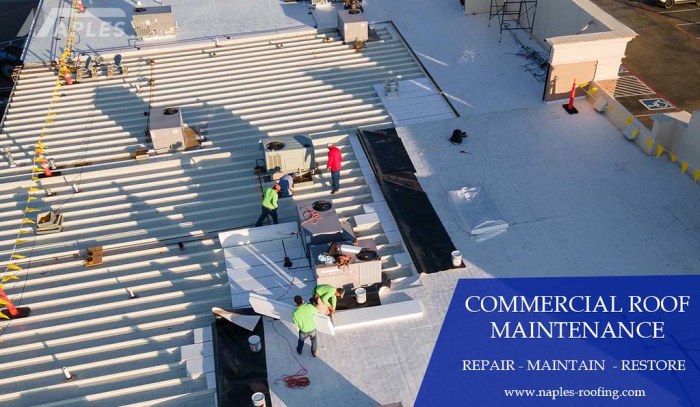
In conclusion, industrial roofing contractors in the USA are indispensable to the construction landscape, ensuring the durability and safety of industrial structures. By understanding the qualifications, materials, techniques, and safety practices involved, one gains a deeper appreciation for the expertise and dedication of these professionals.
FAQ Summary
What qualifications are required for industrial roofing contractors in the USA?
Industrial roofing contractors in the USA typically need certifications such as OSHA 30-Hour Construction Safety, NRCA ProCertification, and specific training in commercial roofing systems.
What are some common materials used by industrial roofing contractors in the USA?
Common materials used include EPDM, TPO, metal roofing, and modified bitumen, each offering unique benefits for industrial roofing projects.
How do safety regulations impact the work of industrial roofing contractors in the USA?
Safety regulations ensure that contractors follow best practices to prevent accidents and injuries, leading to a secure work environment and high-quality outcomes.