
Industrial roof replacement cost is a crucial aspect that property owners need to consider. From the size of the roof to the materials used and labor costs, various factors come into play when determining the overall cost. In this detailed guide, we will explore the key elements that influence the cost of industrial roof replacement, providing valuable insights for those planning such projects.
Factors Influencing Industrial Roof Replacement Cost
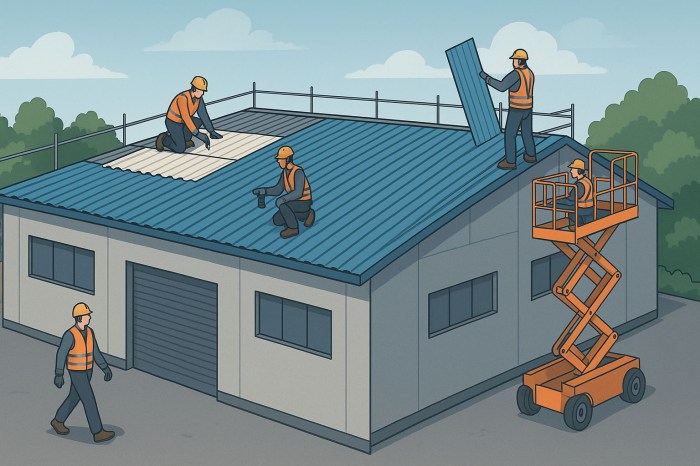
When considering the cost of replacing an industrial roof, several factors come into play that can significantly impact the overall price. Understanding these factors is crucial for budgeting and planning purposes.
Size of the Roof
The size of the industrial roof is one of the most significant factors influencing the replacement cost. Larger roofs require more materials, labor, and time to complete the replacement, leading to higher overall costs. Additionally, larger roofs may have more complex designs, which can further increase the cost of the replacement.
Materials Used
The materials used in the replacement of an industrial roof play a crucial role in determining the overall cost. High-quality materials typically come at a higher price point, but they can also offer better durability and longevity, reducing the need for frequent replacements in the future.
Cheaper materials may initially lower the cost of replacement but could result in higher maintenance and repair costs down the line.
Complexity of Roof Design
The complexity of the roof design can also impact the cost of replacement. A simple, flat roof will generally be less expensive to replace compared to a roof with multiple angles, peaks, or other intricate design elements. The more complex the roof design, the more labor and expertise are required to complete the replacement, resulting in higher overall costs.
Cost Comparison of Different Roofing Materials
When considering industrial roof replacement cost, it is essential to compare the prices of various roofing materials to make an informed decision. Different materials come with different initial costs, durability, longevity, and maintenance expenses. Let's delve into the details of the cost differences between metal, asphalt, and other popular roofing materials.
Metal Roofing
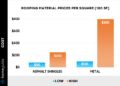
Metal roofing is known for its durability and longevity. While the initial cost of metal roofing is higher compared to asphalt, it can last up to 50 years with minimal maintenance. The long lifespan of metal roofing makes it a cost-effective option in the long run.
Additionally, metal roofing is energy-efficient, which can lead to savings on heating and cooling costs over time.
Asphalt Roofing
Asphalt roofing is a popular choice due to its affordability. It has a lower initial cost compared to metal roofing but has a shorter lifespan of around 20-30 years. Regular maintenance, such as replacing damaged shingles, is necessary to ensure the longevity of asphalt roofing.
While it may require more upkeep compared to metal roofing, the lower upfront cost makes it a budget-friendly option for industrial buildings.
Other Popular Roofing Materials
Other popular roofing materials, such as EPDM (rubber), TPO (thermoplastic olefin), and PVC (polyvinyl chloride), offer a range of options with varying costs and durability. EPDM roofing is known for its affordability and durability, lasting up to 30 years with proper maintenance.
TPO and PVC roofing are also cost-effective options with good longevity and resistance to UV rays and weather elements.Overall, the cost of industrial roof replacement can vary significantly depending on the choice of roofing material. It is essential to consider not only the initial cost but also the long-term expenses associated with maintenance and lifespan when making a decision for your industrial building.
Labor Costs and Installation Considerations
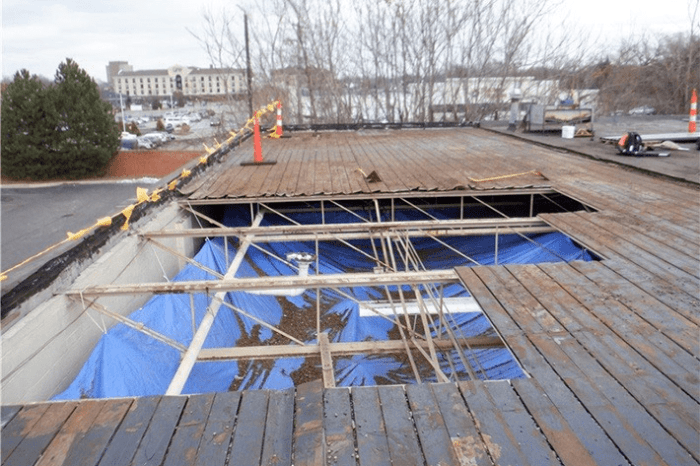
Labor costs play a significant role in determining the overall industrial roof replacement cost. Proper installation techniques are crucial in estimating costs accurately. Various factors can impact labor costs in industrial roof replacement projects.
Factors Affecting Labor Costs
- The complexity of the roof design: Intricate designs or unique features can require more time and effort to install, leading to higher labor costs.
- Accessibility of the roof: If the industrial roof is challenging to access or requires special equipment for installation, labor costs may increase.
- Weather conditions: Adverse weather conditions can delay the installation process, resulting in additional labor hours and increased costs.
- Experience and expertise of the installation crew: Highly skilled workers may command higher wages, impacting labor costs.
- Material compatibility: Certain roofing materials may require specialized installation techniques, affecting labor costs.
Budgeting and Cost-Saving Tips for Industrial Roof Replacement
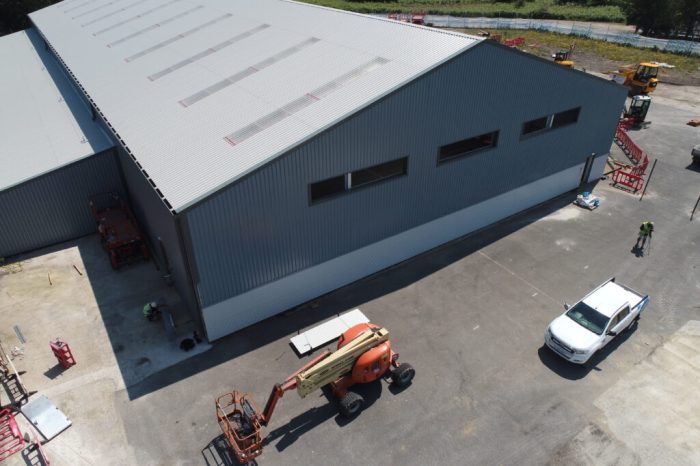
When it comes to industrial roof replacement, budgeting effectively and finding ways to save on costs are crucial to ensure a successful and cost-efficient project. By implementing smart strategies and negotiating with contractors, you can reduce expenses without compromising the quality of the replacement.
Effective Budgeting Strategies
- Start by getting multiple quotes from different roofing contractors to compare prices and services offered.
- Set a realistic budget by considering all aspects of the project, including materials, labor, permits, and any unforeseen expenses.
- Allocate a contingency fund for unexpected costs that may arise during the roof replacement process.
Cost-Saving Tips
- Consider using recycled or reclaimed roofing materials to save on costs while still maintaining quality.
- Opt for energy-efficient roofing materials that can help reduce long-term energy expenses.
- Explore financing options or incentives for eco-friendly roofing solutions to offset some of the initial costs.
Negotiating with Contractors
- Discuss the scope of work in detail with the contractor to ensure transparency and avoid any hidden costs.
- Negotiate the price by comparing quotes and asking for discounts or promotions offered by the contractor.
- Consider bundling services or scheduling the replacement during the contractor's off-peak season to potentially lower the overall cost.
Final Review
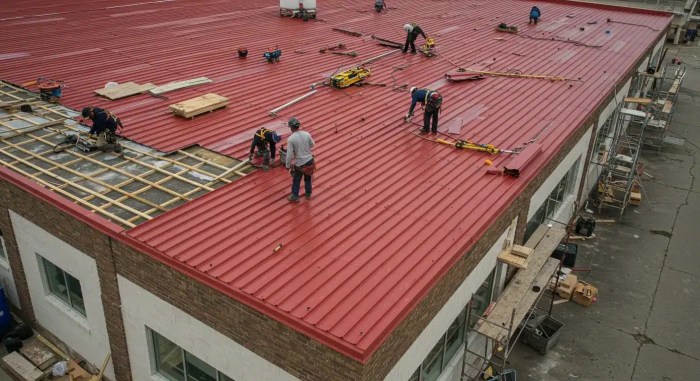
As we conclude this discussion on industrial roof replacement cost, it becomes evident that careful planning and consideration of different factors are essential in ensuring a successful and cost-effective project. By understanding the nuances of cost estimation, material choices, and labor expenses, property owners can make informed decisions when it comes to replacing their industrial roofs.
Commonly Asked Questions
How does the size of the roof impact the replacement cost?
The larger the roof, the more materials and labor will be required, leading to higher replacement costs.
What are the maintenance expenses associated with different roofing materials?
Maintenance costs vary depending on the type of material used. Metal roofs generally require less maintenance compared to asphalt roofs.
How can property owners negotiate with contractors to lower the overall replacement cost?
Property owners can negotiate by comparing quotes from multiple contractors and discussing cost-saving options such as using alternative materials.