
"Diving into the realm of industrial metal roofing contractors, this introduction sheds light on their pivotal role in the construction industry. From ensuring the structural integrity of buildings to implementing cutting-edge technologies, these specialized contractors play a crucial part in modern construction projects."
"As we delve deeper into the qualifications, materials, safety measures, and regulations surrounding industrial metal roofing, a comprehensive understanding of this niche field emerges, highlighting the importance of expertise and adherence to industry standards."
Overview of Industrial Metal Roofing Contractors
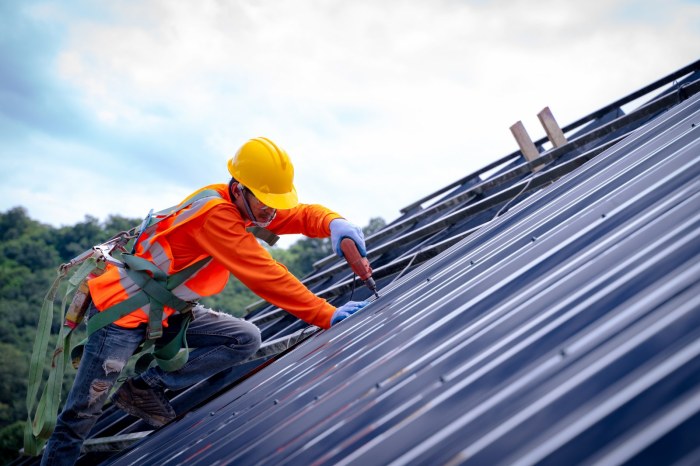
Industrial metal roofing contractors play a crucial role in the construction industry, specializing in the installation, repair, and maintenance of metal roofs for industrial buildings. These contractors have the expertise and experience to handle large-scale projects and ensure the structural integrity and longevity of the roofing system.
Importance of Hiring Specialized Contractors
Industrial metal roofing projects require specific knowledge and skills that only specialized contractors possess. Hiring these professionals ensures that the installation or repair is done correctly, following industry standards and safety regulations. Additionally, specialized contractors can provide valuable insights and recommendations based on their experience with similar projects.
Typical Services Offered
- Installation: Industrial metal roofing contractors are responsible for installing new metal roofing systems on industrial buildings. This includes preparing the roof surface, fitting the metal panels, and ensuring proper insulation.
- Repair and Maintenance: These contractors also offer repair and maintenance services to address any issues with existing metal roofs. This may involve fixing leaks, replacing damaged panels, or conducting routine inspections to prevent future problems.
- Consultation: Industrial metal roofing contractors can provide expert advice and recommendations during the planning stages of a project. They can help choose the right materials, design the roofing system, and create a cost-effective solution.
- Customization: Depending on the requirements of the industrial building, contractors can customize metal roofing solutions to meet specific needs, such as adding skylights, ventilation systems, or solar panels.
Qualifications and Expertise
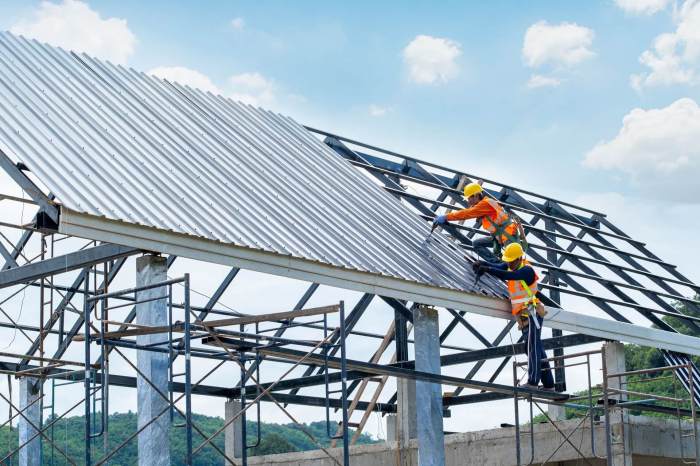
Industrial metal roofing contractors need to possess specific qualifications and certifications to ensure they are capable of handling complex projects efficiently. Additionally, expertise in working with industrial metal roofing materials and installations is crucial for the success of any project.
Experience also plays a vital role in ensuring that the contractor can navigate challenges effectively and deliver high-quality results.
Necessary Qualifications and Certifications
- Valid contractor's license: Industrial metal roofing contractors should have a valid license to operate in their state or region. This ensures that they meet the necessary requirements and regulations set by the local authorities.
- Manufacturer certifications: Contractors should hold certifications from reputable metal roofing manufacturers. This demonstrates their knowledge and expertise in working with specific materials and systems.
- Safety certifications: It is essential for contractors to have safety certifications such as OSHA training to ensure a safe working environment for their team and clients.
Expertise in Handling Industrial Metal Roofing
- Material knowledge: Contractors need to have a deep understanding of different types of metal roofing materials, their properties, and how they perform in various environments.
- Installation skills: Expertise in installing industrial metal roofing systems is critical to ensure proper assembly, sealing, and protection against environmental factors.
- Problem-solving abilities: Contractors should be able to troubleshoot issues quickly and find effective solutions to ensure the project stays on track.
Importance of Experience
- Project management: Experienced contractors have the skills to manage complex industrial metal roofing projects effectively, from planning to execution.
- Quality assurance: With experience, contractors can deliver high-quality workmanship and ensure that the final product meets industry standards.
- Client satisfaction: Experienced contractors understand the importance of communication, deadlines, and client needs, leading to overall satisfaction with the project outcome.
Materials and Techniques
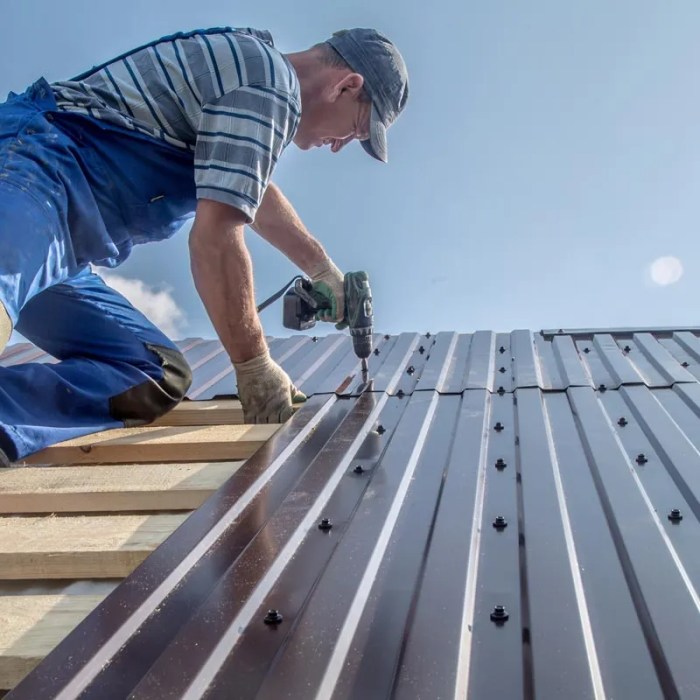
Metal roofing materials and techniques play a crucial role in the durability and performance of industrial buildings. Let's explore the various types of materials and techniques commonly used by industrial metal roofing contractors.
Types of Metal Roofing Materials
Metal roofing contractors typically work with a variety of materials, each with its own set of advantages and disadvantages. Some common types include:
- Steel: Known for its strength and durability, steel is a popular choice for industrial metal roofing projects. It is resistant to corrosion and can withstand harsh weather conditions.
- Aluminum: Lightweight and corrosion-resistant, aluminum is another common material used in metal roofing. It is a great option for buildings located in coastal areas.
- Copper: While more expensive, copper is highly durable and offers a unique aesthetic appeal. It is often chosen for its longevity and low maintenance requirements.
Advantages and Disadvantages of Metal Roofing Techniques
Metal roofing contractors employ different techniques to install and maintain metal roofs. Here are some advantages and disadvantages of these techniques:
- Standing Seam Roofing: This technique involves vertical metal panels with raised seams that interlock. It provides excellent waterproofing and is highly durable. However, it can be more expensive than other techniques.
- Ribbed Metal Roofing: Ribbed panels are commonly used in industrial roofing due to their strength and versatility. They are easy to install and offer good thermal insulation. On the downside, they may require more maintenance over time.
- Metal Shingle Roofing: Metal shingles mimic the look of traditional roofing materials like slate or wood but offer the durability of metal. They are lightweight and easy to install, but may be more prone to denting.
Innovative Technologies in Industrial Metal Roofing
Industrial metal roofing contractors are constantly incorporating innovative technologies to enhance the performance and sustainability of metal roofs. Some of these technologies include:
- Solar Roofing Systems: Integrating solar panels into metal roofs allows for energy generation and reduced electricity costs for industrial buildings.
- Cool Roof Coatings: Reflective coatings applied to metal roofs can reduce heat absorption, lowering energy consumption for cooling and extending the roof's lifespan.
- Green Roofing Solutions: Installing green roofs on metal structures can improve insulation, reduce stormwater runoff, and enhance environmental sustainability.
Safety and Regulations
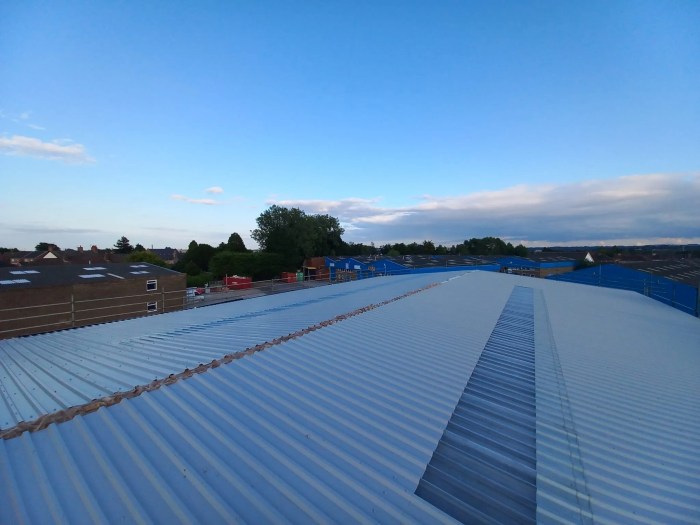
Industrial metal roofing contractors must prioritize safety measures and adhere to specific regulations to ensure a secure work environment and compliance with industry standards.
Safety Measures on Job Sites
- Always wear appropriate personal protective equipment (PPE) such as hard hats, gloves, and safety harnesses.
- Implement fall protection systems, guardrails, and safety nets to prevent accidents from heights.
- Regularly inspect and maintain equipment and tools to ensure they are in good working condition.
- Provide safety training and protocols to all workers to promote awareness and safe practices on site.
Regulations and Codes
- Industrial metal roofing installations must comply with building codes, OSHA regulations, and local ordinances to ensure structural integrity and safety.
- Contractors need to be aware of specific requirements related to material quality, fire resistance, and load-bearing capacity for industrial roofing projects.
- Regular inspections and permits may be required to verify compliance with regulations and standards set by governing bodies.
Best Practices for Safety and Compliance
- Develop a comprehensive safety plan that Artikels protocols, emergency procedures, and risk assessments for all stages of the roofing project.
- Conduct regular safety meetings and inspections to address any potential hazards and ensure compliance with safety regulations.
- Work closely with project managers, engineers, and safety officers to create a culture of safety and accountability on the job site.
- Document all safety procedures, incidents, and training to maintain a record of compliance and continuous improvement in safety practices.
Outcome Summary
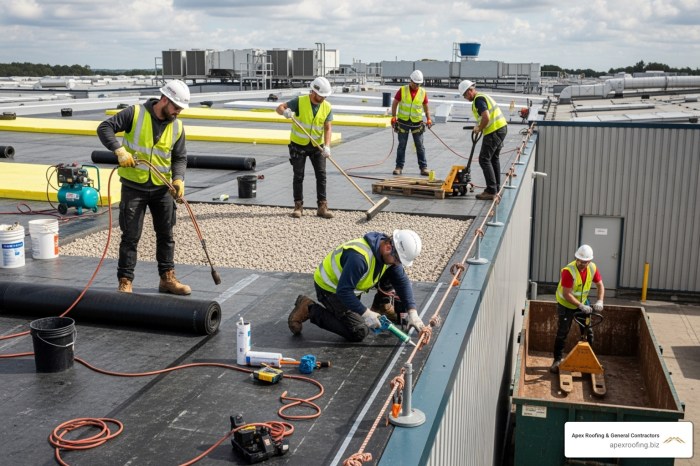
"In conclusion, industrial metal roofing contractors stand as the backbone of robust and resilient structures, blending proficiency with innovation to deliver top-notch services. Their commitment to safety, compliance, and quality craftsmanship sets them apart in the dynamic landscape of construction."
Questions and Answers
"What qualifications are needed to become an industrial metal roofing contractor?"
"Industrial metal roofing contractors typically need certifications in roofing, safety training, and experience working with metal materials."
"What are some common safety measures employed by industrial metal roofing contractors?"
"Safety measures include fall protection systems, proper equipment usage, and adherence to OSHA guidelines."
"How do industrial metal roofing contractors ensure compliance with regulations?"
"Contractors stay updated on building codes, conduct regular inspections, and follow manufacturer guidelines for installations."