
Roofing scheduling software revolutionizes the way roofing businesses operate, offering a seamless solution to enhance productivity and customer satisfaction. In this comprehensive guide, we delve into the importance, features, implementation, benefits, and challenges of utilizing roofing scheduling software.
Importance of Roofing Scheduling Software
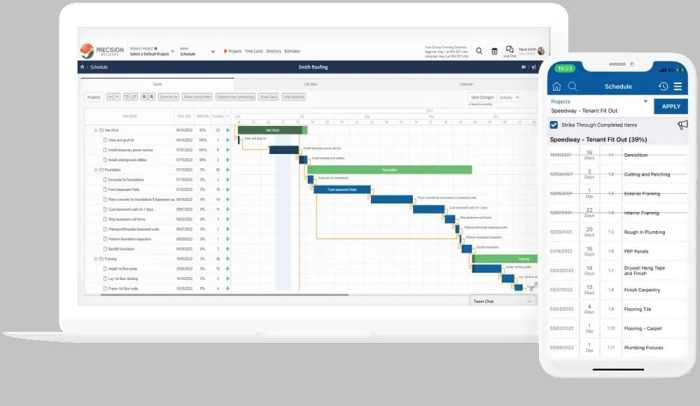
Efficient scheduling is crucial in the roofing industry to ensure timely completion of projects, minimize downtime, and optimize resource allocation. Without proper scheduling, delays and miscommunications can lead to dissatisfied customers and financial losses.Roofing scheduling software plays a vital role in streamlining operations by automating the scheduling process, assigning tasks to the right personnel, and providing real-time updates on project progress.
This results in improved productivity, better time management, and reduced chances of errors or oversights.
Enhanced Customer Satisfaction
- Roofing scheduling software helps in setting realistic timelines and meeting project deadlines, which enhances customer satisfaction by delivering projects on time.
- By providing clear communication channels and updates on project status, customers are kept informed and involved throughout the roofing process, leading to increased trust and transparency.
- The ability to quickly reschedule appointments or address any unexpected issues promptly through the software demonstrates responsiveness and professionalism, ultimately leaving a positive impression on customers.
Features of Roofing Scheduling Software
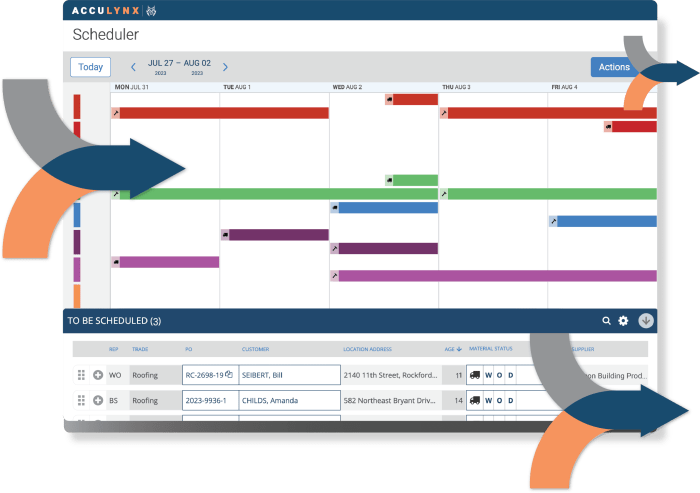
Roofing scheduling software comes with a variety of features designed to streamline the scheduling process, improve efficiency, and enhance overall productivity for roofing companies. Let's explore some essential features that a good roofing scheduling software should have.
1. Calendar Integration
Having calendar integration allows users to view and manage schedules in a centralized calendar, making it easy to track appointments, deadlines, and important dates all in one place.
2. Task Management
Effective task management tools enable users to create, assign, prioritize, and track tasks related to roofing projects. This feature helps ensure that all tasks are completed on time and nothing falls through the cracks.
3. Crew Management
The ability to assign and track crew members to specific jobs is crucial for efficient project management. Good roofing scheduling software should offer features for crew scheduling, tracking availability, and managing workloads.
4. Automated Reminders
Automated reminders can help prevent missed appointments, deadlines, or follow-ups by sending notifications to users and clients. This feature ensures that everyone stays on track and informed throughout the project.
5. Reporting and Analytics
Robust reporting and analytics tools provide valuable insights into project performance, resource allocation, and overall productivity. Users can generate reports to analyze data, identify trends, and make informed decisions for future projects.
6. Mobile Accessibility
With mobile accessibility, users can access the scheduling software on-the-go, allowing for real-time updates, communication, and adjustments to schedules from anywhere. This feature is essential for field workers and managers who need instant access to scheduling information.These are just a few key features that a good roofing scheduling software should have to optimize scheduling processes and improve overall project management efficiency.
Implementation and Integration
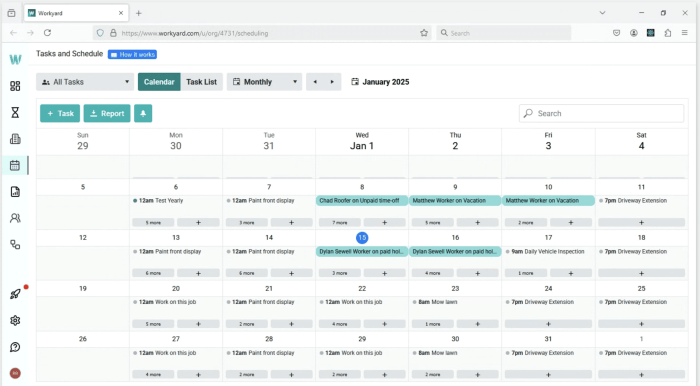
Implementing roofing scheduling software in a roofing business is a crucial step towards streamlining operations and improving efficiency. The process involves several key steps to ensure a smooth transition and successful integration with existing tools and systems.
Implementing Roofing Scheduling Software
- Conduct a thorough assessment of your current roofing business processes to identify areas where scheduling software can be integrated.
- Research and choose a reputable roofing scheduling software provider that meets your business needs and requirements.
- Train your team on how to effectively use the software and ensure they understand the benefits it brings to the business.
- Gradually transition to using the software by starting with small projects before implementing it across all roofing projects.
Integration with Other Tools or Systems
- Ensure that the roofing scheduling software is compatible with other tools or systems used in your roofing business, such as project management software or accounting systems.
- Utilize APIs or integration tools provided by the software vendor to seamlessly connect the scheduling software with other tools for a streamlined workflow.
- Regularly monitor and test the integration to identify any issues and ensure that data is accurately synced between systems.
Tips for a Smooth Transition
- Communicate the benefits of using scheduling software to your team and involve them in the implementation process to gain their buy-in.
- Start with a pilot project to test the software and gather feedback from your team before rolling it out to all roofing projects.
- Provide ongoing training and support to your team to ensure they are comfortable using the software and maximize its benefits for the business.
Benefits for Roofing Contractors
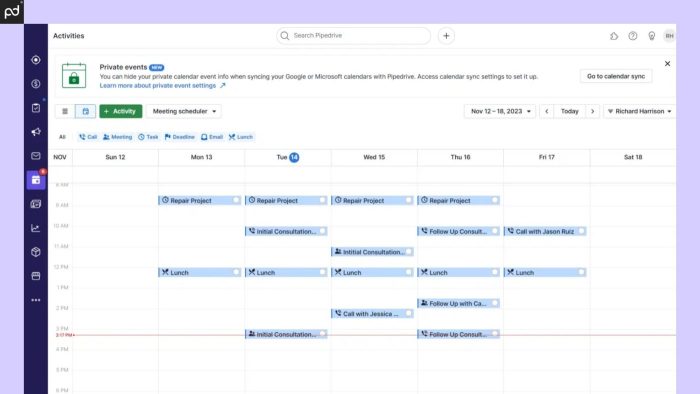
Roofing scheduling software offers numerous advantages for contractors in the industry. By utilizing this technology, contractors can streamline their operations, enhance efficiency, and improve overall project management.
Improved Resource Management
One of the key benefits of roofing scheduling software is its ability to help contractors manage their resources effectively. This software allows contractors to allocate resources such as labor, materials, and equipment more efficiently, leading to optimized project timelines and reduced costs.
Enhanced Project Planning
Roofing scheduling software enables contractors to create detailed project plans, set milestones, and track progress in real-time. This helps contractors stay organized, meet deadlines, and ensure that projects are completed on time and within budget.
Case Studies
- ABC Roofing Company saw a 20% increase in project completion rates after implementing roofing scheduling software. The software helped them manage their resources more effectively and improve overall project efficiency.
- XYZ Roofing Services reduced project delays by 30% by using roofing scheduling software to better plan and allocate resources. This resulted in higher customer satisfaction and increased profitability for the company.
Challenges and Solutions
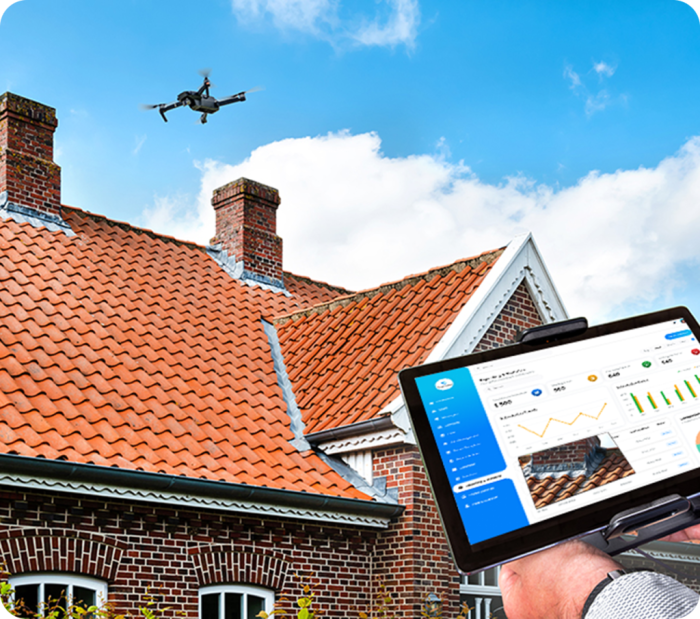
When adopting roofing scheduling software, there are common challenges that roofing contractors may face. It is important to address these challenges proactively to ensure a smooth transition and maximize the benefits of the software.
Integration with Existing Systems
One of the challenges faced when adopting roofing scheduling software is integrating it with existing systems such as accounting software or CRM systems. This can lead to compatibility issues and data synchronization problems.
- Ensure that the roofing scheduling software is compatible with the existing systems used by your company.
- Consult with the software provider to develop a strategy for seamless integration and data migration.
- Provide training to employees on how to use the integrated systems effectively.
User Resistance to Change
Another common challenge is user resistance to change. Employees may be hesitant to adopt new technology and processes, which can hinder the successful implementation of roofing scheduling software.
- Offer comprehensive training and support to users to familiarize them with the software and its benefits.
- Highlight the advantages of the software, such as improved efficiency, cost savings, and enhanced customer satisfaction.
- Encourage open communication and feedback from employees to address any concerns or challenges they may have.
Lack of Training and Support
The lack of adequate training and ongoing support for users can also pose a challenge when implementing roofing scheduling software. Without proper guidance, employees may not fully utilize the software's features and functionalities.
- Provide thorough training sessions for employees at all levels to ensure they understand how to use the software effectively.
- Offer continuous support through help desks, online resources, and user manuals to assist users with any questions or issues that may arise.
- Encourage employees to provide feedback and suggestions for improving the software and the training programs.
Last Point
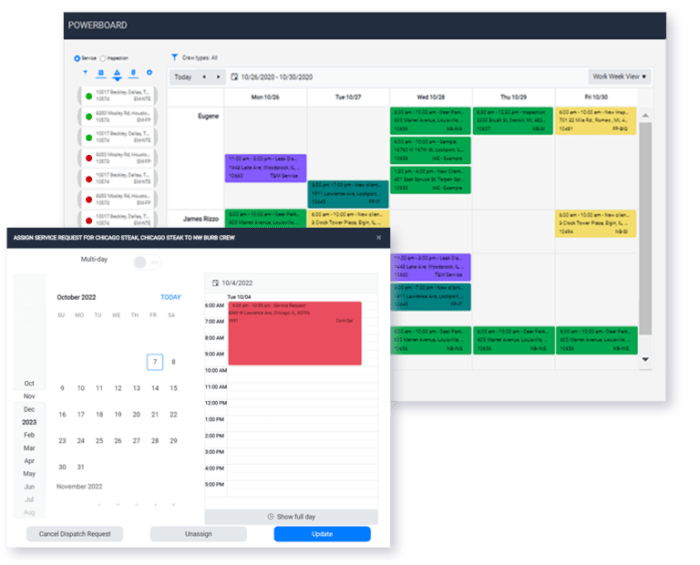
In conclusion, roofing scheduling software emerges as a game-changer in the roofing industry, paving the way for streamlined operations and improved resource management. By embracing this technology, contractors can elevate their project management capabilities and deliver exceptional results.
Answers to Common Questions
How can roofing scheduling software benefit my roofing business?
Roofing scheduling software can optimize scheduling, streamline operations, improve productivity, enhance customer satisfaction, and effectively manage resources.
What are some essential features to look for in roofing scheduling software?
Essential features include calendar integration, task automation, crew management, customer communication tools, and reporting capabilities.
How can I seamlessly integrate roofing scheduling software with other tools?
Ensure compatibility with existing systems, provide adequate training to employees, and establish clear communication channels for a smooth integration process.